Hemp THC Ban 2026: What Hemp Brands Should Do Before December 11
The federal hemp THC ban comes from a November 2025 funding law that rewrote the legal definition of hemp. A September 2026 law moved most of it to December 11, 2026. One part still starts on November 12, 2026. On that date, products that contain cannabinoids the cannabis plant cannot naturally produce stop counting as hemp under federal law.
This is not legal advice. This post sums up what the law text and the sources linked below say, checked on November 11, 2026. Talk to your attorney and your state regulator before you change what you make, ship or sell.
If you sell hemp-derived THC products to stores, the next four weeks are about your products, your retail accounts and buyers, and your customer list. This guide covers the dates, what is still unclear, and what to do with each list.
What is the hemp THC ban?
Section 781 of the Continuing Appropriations, Agriculture, Legislative Branch, Military Construction and Veterans Affairs, and Extensions Act, 2026 (H.R. 5371, Public Law 119-37, signed November 12, 2025) rewrites the federal definition of hemp in the Agricultural Marketing Act of 1946. It takes effect “365 days after the enactment” of the law.
Under the new text:
- Hemp is measured by total THC, including THCA, at no more than 0.3 percent on a dry weight basis.
- A finished product is not hemp if it has more than 0.4 milligrams combined total THC (and cannabinoids with similar effects) per container. The law defines a container as the innermost package that touches the product, such as a jar, bottle, bag, can or cartridge.
- A product is not hemp if it contains cannabinoids the plant cannot naturally produce, or cannabinoids the plant can produce that were synthesized or manufactured outside the plant.
- Intermediate products, such as oils or powders meant to go into other products, are not hemp if they have more than 0.3 percent combined total THC, or if they are sold as a final product or straight to consumers.
The Congressional Research Service (CRS) explains that the 2018 farm bill counted only delta-9 THC, which is how some intoxicating products qualified as hemp.
When does the hemp ban take effect?
| Date | What happens | Source |
|---|---|---|
| November 12, 2025 | H.R. 5371 is signed. Section 781 rewrites the hemp definition, effective 365 days later. | Public Law 119-37 |
| September 2, 2026 | H.R. 6500 is signed. Section 2019 says that until December 11, 2026, Section 781 applies only to products with cannabinoids the plant cannot naturally produce. | Public Law 119-103 |
| November 12, 2026 | Intermediate and final products containing cannabinoids “not capable of being naturally produced” by the plant are no longer hemp. CRS gives THC-O as an example. | CRS Legal Sidebar LSB11496 |
| December 11, 2026 | The rest of Section 781 applies unless Congress changes it. That includes the total THC standard, the 0.4 mg per container cap and the rule on cannabinoids made outside the plant. The stopgap government funding in H.R. 6500 also ends this day. | Public Law 119-103 |
H.R. 6500 is the Continuing Appropriations and Extensions Act, 2027. The House agreed to the Senate’s version on September 1, 2026. Law firm summaries from Akerman and Foley Hoag give the same dates.
What is still uncertain
Which cannabinoids count as “not naturally produced.” The 2025 law told the FDA to publish, within 90 days, lists of the cannabinoids the plant can produce, the THC-class cannabinoids and the cannabinoids with similar effects, plus more detail on “container.” CRS reported on October 28, 2026 that the FDA had not published any of them.
Converted cannabinoids such as delta-8. CRS says delta-8 THC does occur naturally in hemp. Section 2019 names only the “cannot naturally produce” clauses for November 12. The “synthesized or manufactured outside the plant” clause is not on that list. A Claims Journal article from September 8, 2026 reads it differently and says lab-converted delta-8 and HHC fall under November 12. If you sell converted cannabinoids, ask your attorney which date applies, and plan around the earlier one until you hear back.
Whether Congress acts again. CRS lists bills that would delay the change two more years (H.R. 7024, H.R. 7010 and S. 3686) or repeal it (H.R. 6209). Akerman calls the delay temporary and “not a safe harbor.” Government funding under H.R. 6500 also ends December 11, so watch the next funding bill.
Your state. Akerman notes that the federal delay “does not suspend or preempt” state requirements. Foley Hoag warns operators not to assume state rules will follow the federal timeline. Several states have their own limits and dates.
What hemp brands should do now
- Sort every SKU by date. Put each product in a November 12 group, a December 11 group, or a group you expect to stay within the new definition. Note the reason next to each one, such as the COA or the formula, and have your attorney check the groups.
- Tag your store accounts and buyers. Tag each store by state and by the SKU groups it carries, so you can pull a list like “every buyer at our Denver accounts who carries a December 11 SKU.”
- Tell buyers your plan in writing. Buyers are making the same calls about their own shelves. Send each one a short note that covers the checklist below. Say what you are doing, and do not tell them a product is legal in their state.
- Keep records. Save every notice, the date you sent it, the buyer’s reply, the COAs, last ship dates and any credit or return terms. Akerman suggests using this window to review formulations, labeling, testing, distribution, inventory and contract risk.
- Pause marketing for affected products. Check scheduled email campaigns, automations and social posts. If you sell direct to consumers, segment your customer list by state and stop promoting products you will not sell there after each date.
- Check state rules and keep watching. Look up the current hemp rules for every state you ship to, and recheck the federal status the week of December 7.
Buyer note checklist
- The SKUs affected and the date you are planning around
- Your last ship date for each one
- What happens to unsold stock (credit, return or sell-through)
- Replacement or reformulated products, if you have them
- Who to contact with questions
- A line asking the buyer to check with their own counsel
For the longer work of keeping shelf space, see our guide on how cannabis brands stand out to dispensaries.
How HighDay helps
HighDay is a cannabis CRM for cannabis and hemp brands. Here is how it handles the steps above.
- Store accounts and buyers. Each store is a company record with a state license number field. Link one buyer to every store they buy for, with the label Buyer, and tag both by state and SKU group.
- Ask AI. Type a request such as “Draft an email to every buyer tagged Dec 11 SKUs that explains our plan.” HighDay shows an approval card before each change.
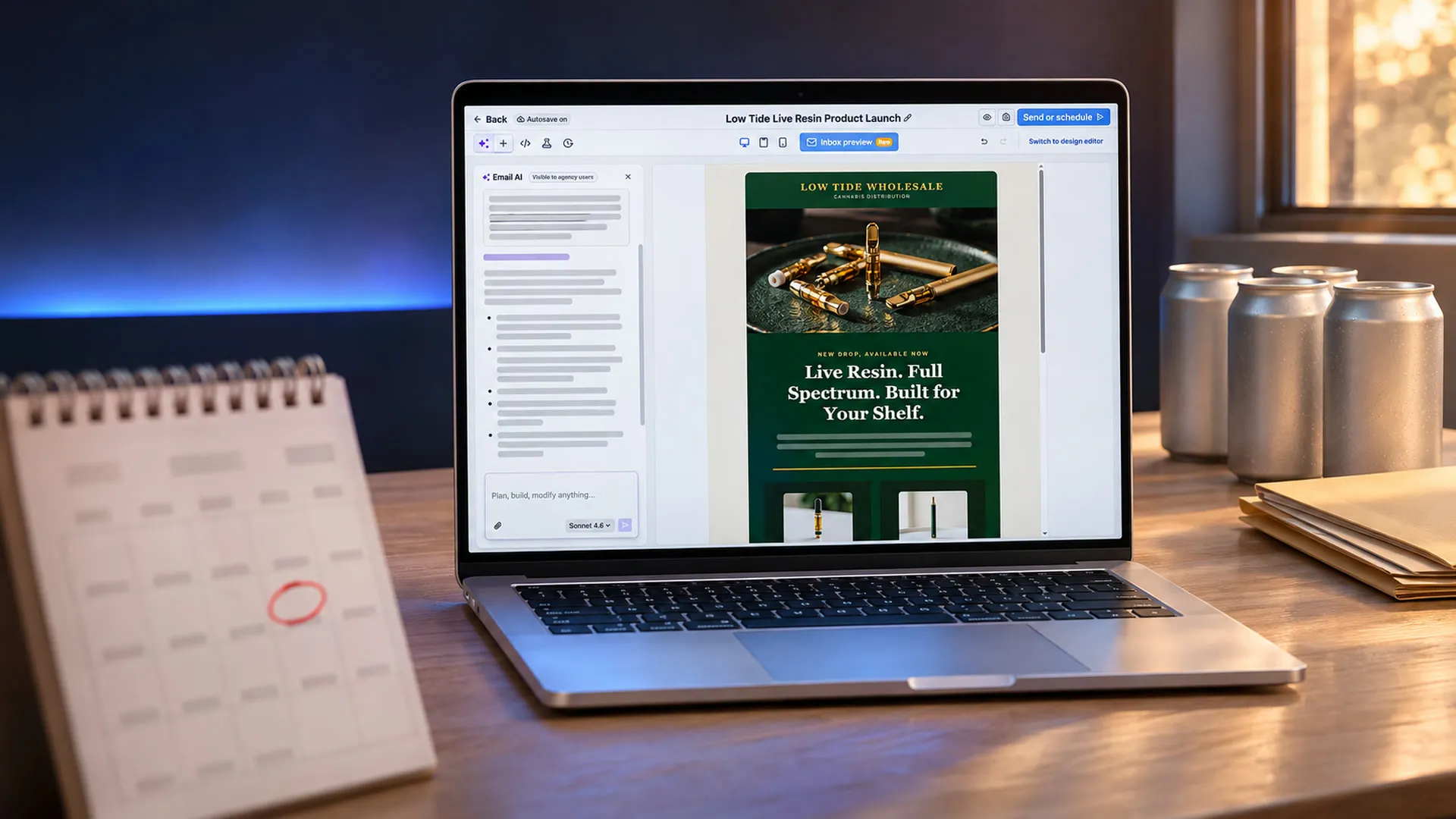
- Email campaigns. Draft the note with the AI email writer and send it to one segment.
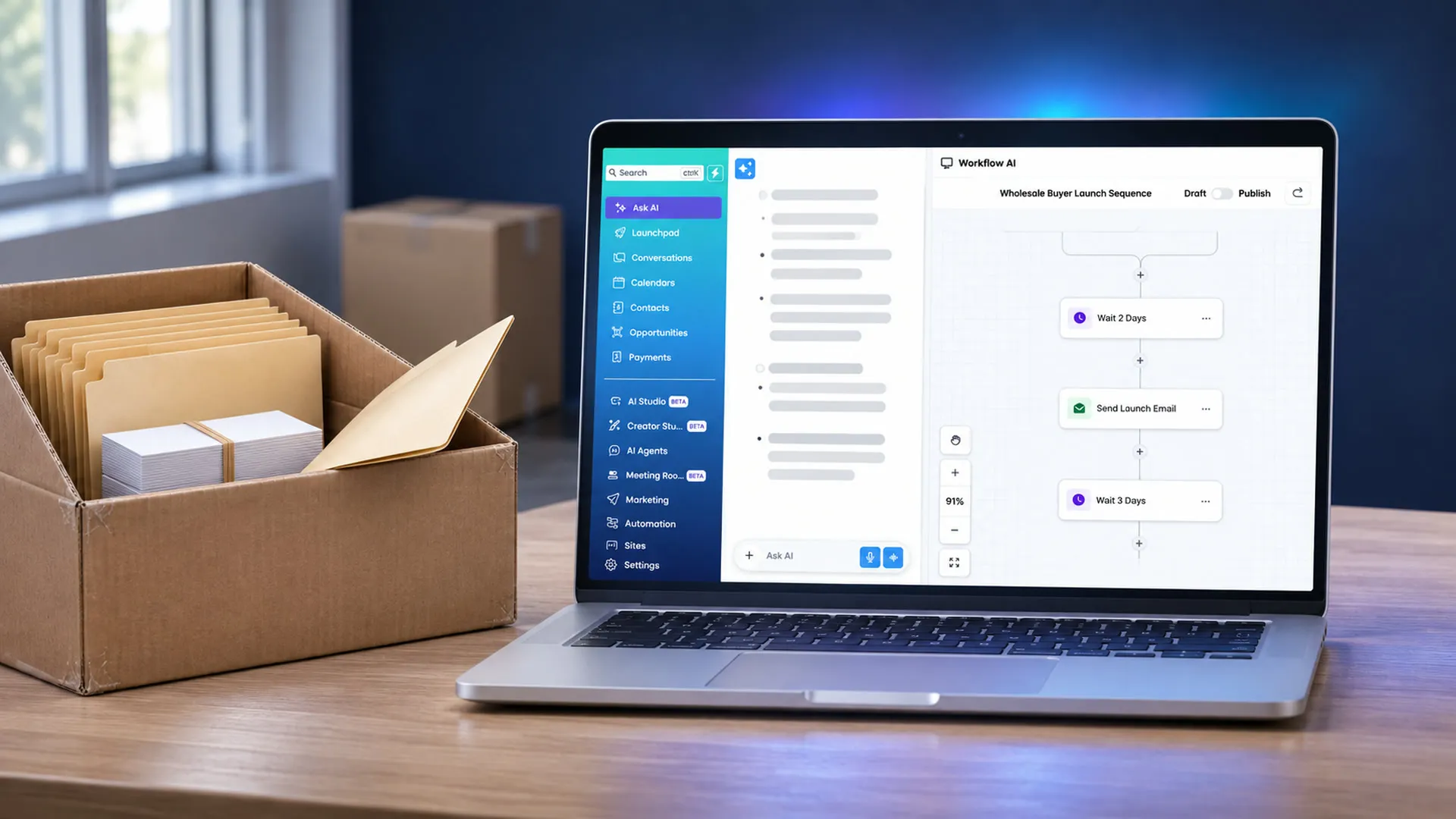
- Workflows. For example, when the tag “Dec 11 SKUs” is added, give the rep a call task. While you are there, turn off any workflow that promotes an affected product.
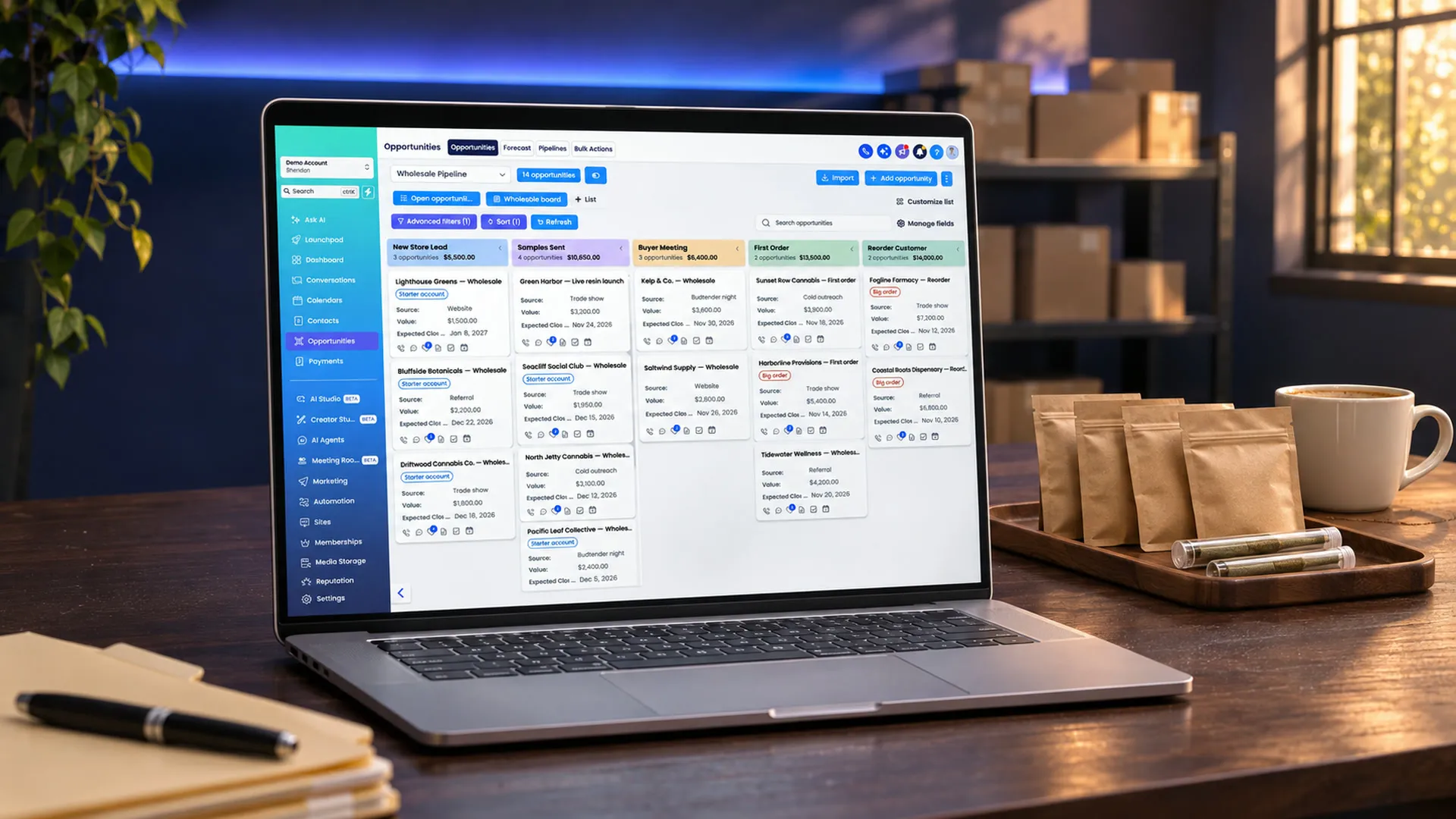
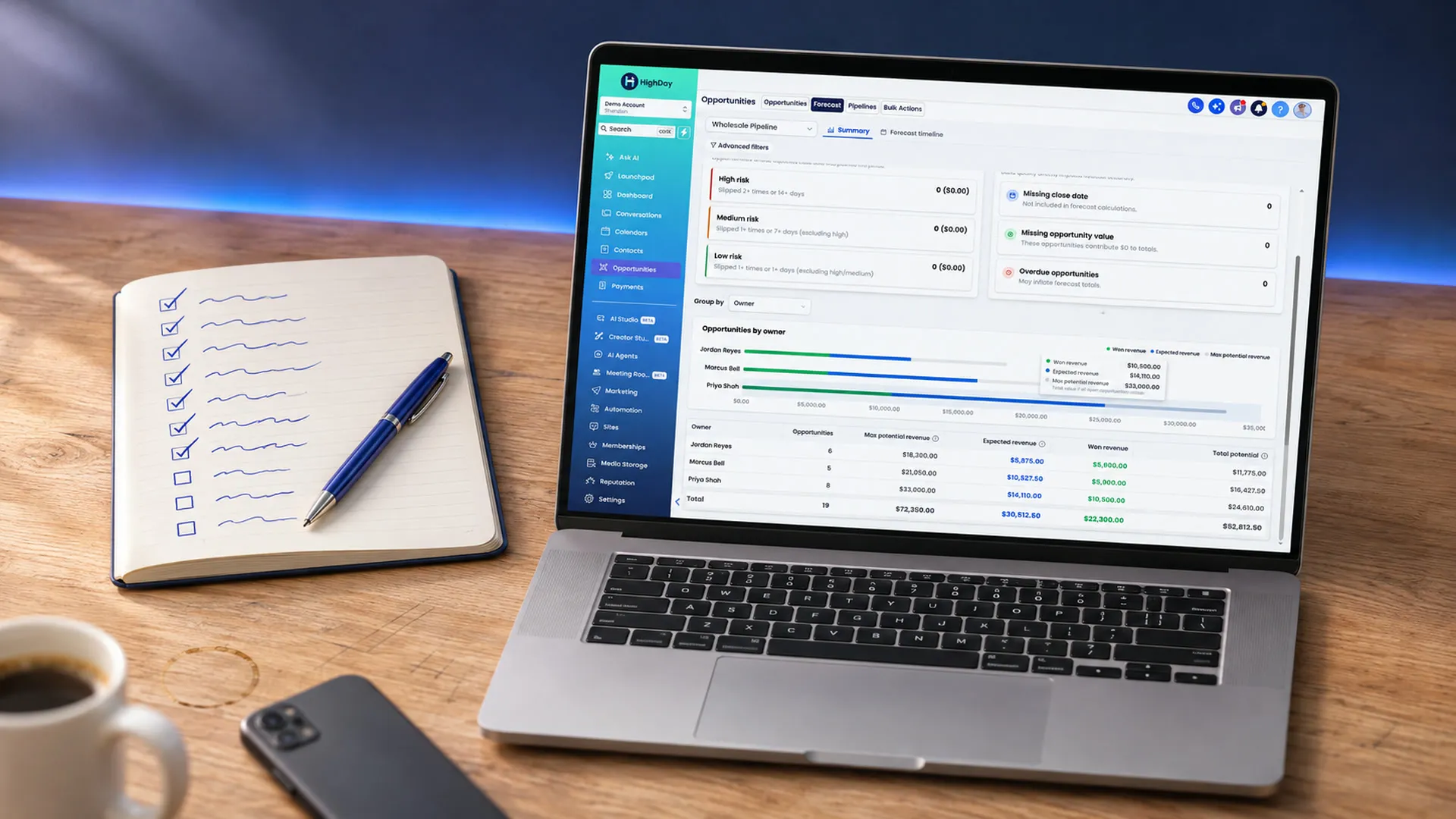
- Pipelines. Add stages such as “Plan sent” and “Buyer confirmed” to a sales pipeline so you can see who has not answered.
- Documents with e-signature. Send credit or return terms as a document the buyer signs online.
The platform page lists the rest. New to CRMs? Read what a cannabis CRM is or the 10 questions to ask before you choose one. Buyer list in HubSpot? HighDay vs HubSpot covers the importer.
Try HighDay for 14 days for $4.20. After the trial, the Brands & Ancillary plan is $297 a month plus a $297 one-time setup fee. See plans, watch the demo or book a call.
Frequently asked questions
When does the hemp THC ban start?
In two steps. Products with cannabinoids the plant cannot naturally produce lose federal hemp status on November 12, 2026. Most of the rest, including the 0.4 mg per container cap, applies December 11, 2026 under Public Law 119-103, unless Congress changes it.
Is delta-8 banned on November 12?
Sources differ. CRS says delta-8 occurs naturally in hemp, and the delay law names only the “cannot naturally produce” clauses for November 12. Some coverage says converted delta-8 falls under November 12. Ask your attorney.
What is the 0.4 milligram limit?
A finished product is not hemp if it has more than 0.4 milligrams combined total THC and similar cannabinoids per container. The container is the innermost package that touches the product.
Does the federal delay change state hemp rules?
No. State rules still apply on their own timelines. Check with your state regulator for each state you sell in.
Can Congress still change the December 11 date?
Yes. CRS lists bills that would delay or repeal the change. Until a new law passes, December 11, 2026 is the date in the law.
Can hemp brands use HighDay?
Yes. Hemp brands are on the Brands & Ancillary plan and get the same tools as cannabis brands. Questions about your setup? Contact us.